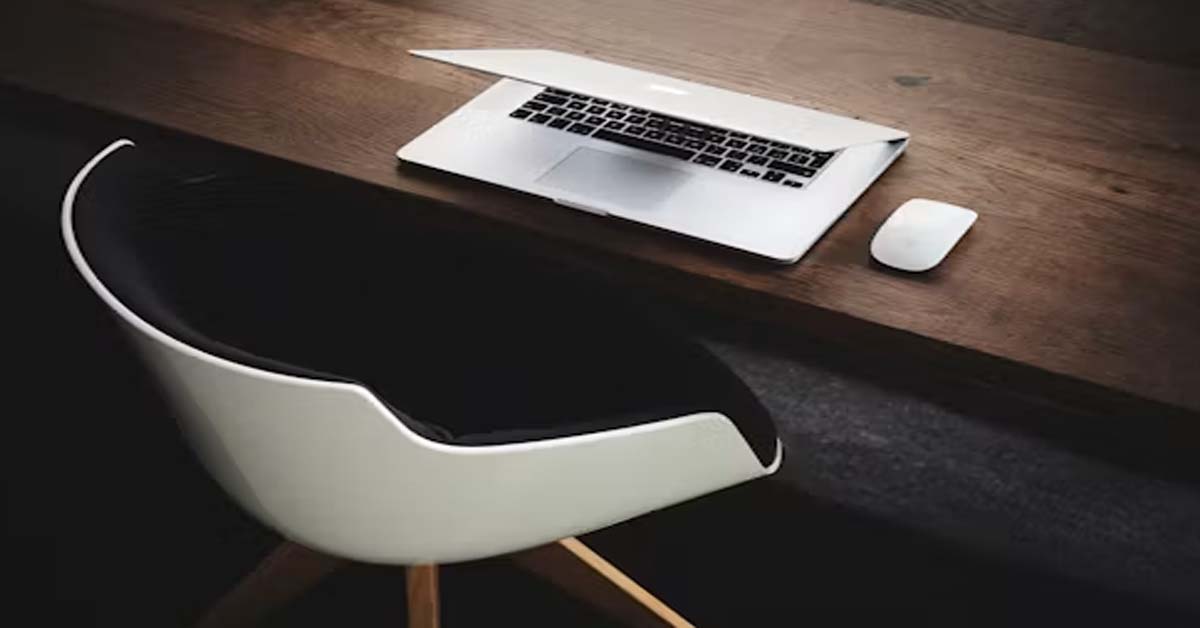
Home & Garden Ideas for Creating a More Comfortable and Functional Living Space
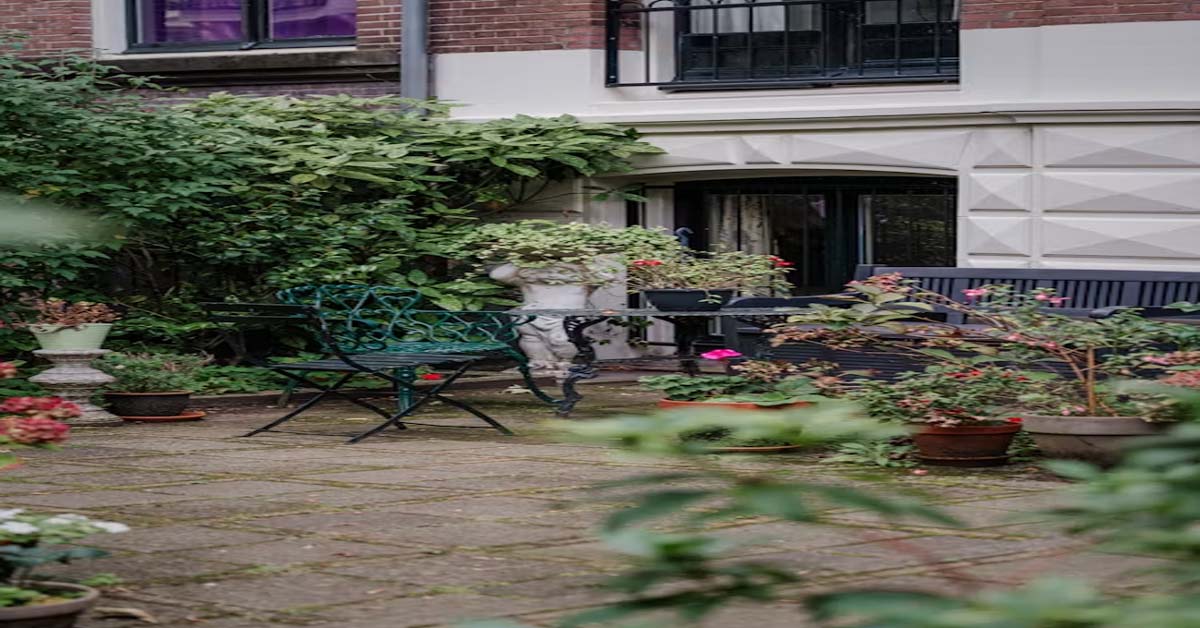
Home & Garden Ideas for Creating a More Comfortable and Functional Living Space
A home is much more than a collection of rooms and furniture. It is the place where people relax, work, study, prepare meals, spend time with family, and enjoy everyday routines. The garden or outdoor area can also become an important part of the living environment.
Creating a better home does not always require expensive renovations. Small improvements can sometimes make a noticeable difference. Rearranging furniture, improving lighting, organizing frequently used items, caring for plants, maintaining outdoor areas, and keeping essential household systems in good condition can all contribute to a more pleasant environment.
The same principle applies to gardens.
A beautiful garden does not necessarily need rare plants or elaborate landscaping. A well-planned outdoor space can be attractive while remaining practical and easy to maintain.
The goal is to create spaces that look good and work well.
Whether you live in a large house, a small apartment, or a home with only a modest outdoor area, thoughtful planning can help you make better use of the space you already have.
Start With the Way You Actually Use Your Home
Before buying furniture, decorations, storage products, or garden accessories, think about how your home is actually used.
A room may look attractive in a photograph but be inconvenient in everyday life.
For example, a living room needs enough open space for people to move around comfortably. A kitchen needs frequently used items to be accessible. A study area needs suitable lighting and an organized surface. A bedroom should feel calm rather than overcrowded.
Start by observing your normal routine.
Ask yourself:
-
Which areas become cluttered most quickly?
-
Which items are difficult to find?
-
Which rooms feel uncomfortable?
-
Where do you need better lighting?
-
Which furniture pieces are rarely used?
-
Which outdoor areas could be used more effectively?
These questions can reveal practical improvements before you spend money.
Create a Home Layout That Supports Daily Activities
Furniture arrangement can significantly influence how a room feels.
Large furniture should not block important walkways, doors, windows, or frequently used areas. Smaller pieces can be positioned around the activities that take place in the room.
For example, a seating area can be arranged around conversation rather than simply placing every chair against a wall.
In a dining area, enough space should remain around the table for people to move comfortably.
In a bedroom, furniture should allow easy access to the bed, storage, and other frequently used areas.
The best layout is not necessarily the most fashionable one. It is the arrangement that makes the room easier to use.
Improve Lighting Before Changing Everything Else
Lighting is one of the simplest ways to change the atmosphere of a home.
A room with appropriate lighting can feel more comfortable and functional without major structural changes.
Consider using different types of lighting for different purposes.
General Lighting
General lighting provides overall illumination for a room.
Ceiling lights are common examples.
Task Lighting
Task lighting is useful for activities that require focused illumination.
Desk lamps, reading lamps, and under-cabinet kitchen lighting can serve this purpose.
Accent Lighting
Accent lighting can highlight decorative features, artwork, plants, shelves, or architectural details.
Using a combination of lighting types can make a room more flexible.
Natural light is also valuable. Keeping windows clean and avoiding unnecessary obstruction can help make better use of available daylight.
Use Color With a Clear Purpose
Color can influence how a room feels, but choosing colors does not have to follow every new interior design trend.
Instead, consider the purpose of the room.
A living area might benefit from colors that create a relaxed and welcoming atmosphere. A workspace may benefit from a simple environment that makes it easier to concentrate.
You do not necessarily need to repaint an entire room.
Small changes such as curtains, cushions, rugs, artwork, or other decorative elements can introduce different colors without a major renovation.
The most important consideration is creating a combination that feels comfortable to the people who use the space.
Make Storage Part of the Design
One of the biggest challenges in many homes is finding a practical place for everyday items.
Storage should not simply mean hiding everything behind closed doors. Good storage makes frequently used items easy to find while reducing unnecessary clutter.
Consider:
-
Shelves
-
Storage baskets
-
Drawer organizers
-
Cabinets
-
Wall-mounted storage
-
Multi-purpose furniture
-
Labeled containers
The best storage solution depends on the room.
For example, a kitchen may benefit from drawer organizers, while a bedroom may need better clothing and accessory storage.
Before purchasing storage products, measure the available space.
A product that looks useful online may not fit your actual room.
Build a Simple Home Organization System
Organization becomes easier when every commonly used item has a logical place.
Instead of organizing the entire home in one day, work on one area at a time.
Start with spaces that create the most daily problems.
Remove items that are broken, no longer useful, or no longer needed according to your household's preferences. Then group similar items together.
For example, cleaning supplies can be stored together, while office supplies can have their own designated area.
The goal is not perfection.
The goal is to make everyday tasks easier.
An organization system that takes too much effort to maintain may eventually become difficult to follow. Simple systems are often more practical.
Give Your Kitchen a Functional Makeover
The kitchen is one of the busiest areas of many homes.
Small improvements can make food preparation and cleaning more convenient.
Start by organizing items according to how frequently they are used.
Frequently used cooking tools should be easy to reach, while rarely used items can be stored elsewhere.
Keep countertops reasonably clear so there is enough working space.
Pantry organization can also make a difference. Group similar products together and check stored foods regularly.
A practical kitchen does not need to look like a professional cooking studio. It simply needs to support the activities that happen there.
Create a More Comfortable Living Room
A living room should balance comfort, movement, and appearance.
Furniture should allow people to sit comfortably without making the room difficult to navigate.
Consider the position of the main seating area in relation to windows, doors, television screens, and other features.
A rug can help visually connect furniture pieces, while cushions and throws can introduce texture and color.
Plants can also add natural elements to the room.
However, avoid filling every empty corner simply because space is available.
Leaving some open space can make a room feel more comfortable and easier to maintain.
Make Bedrooms Calm and Practical
The bedroom is primarily a place for rest, so unnecessary clutter can make the space feel less relaxing.
Keep frequently used items organized and avoid allowing surfaces to become storage areas for everything.
Soft lighting can create a comfortable atmosphere in the evening.
Bedding should be selected according to personal comfort and practical care requirements.
The bedroom does not need dozens of decorative objects.
A simple, organized environment can often be more enjoyable than an overcrowded one.
Create a Useful Home Workspace
Many people now use part of their home for studying, remote work, creative projects, or computer activities.
A dedicated workspace does not always require a separate room.
A small desk in a quiet corner can work if it provides enough space for the required activities.
Pay attention to lighting and organization.
Keep frequently used supplies nearby and avoid allowing cables, papers, and accessories to spread across the entire area.
A functional workspace should support concentration without making the rest of the room feel like an office.
Bring Nature Indoors With Houseplants
Plants can add color and natural character to indoor spaces.
However, choosing plants should be based on the conditions available in your home.
Consider:
-
Available sunlight
-
Room temperature
-
Humidity
-
Watering requirements
-
Available space
-
Maintenance time
A plant that requires bright sunlight may not perform well in a dark corner.
Similarly, a plant that requires frequent care may not be ideal for someone with a busy schedule.
Choose plants according to your environment rather than selecting them simply because they are popular.
Transform Your Outdoor Space
The garden does not have to be huge to become a useful part of your home.
Even a small balcony, patio, terrace, or courtyard can provide opportunities for plants and outdoor activities.
Start by deciding how you want to use the area.
Possible purposes include:
-
Growing plants
-
Creating a sitting area
-
Growing herbs
-
Supporting pollinators
-
Enjoying outdoor meals
-
Creating a relaxing corner
-
Providing space for family activities
Once you know the purpose, it becomes easier to select suitable plants, furniture, containers, and accessories.
Choose Plants According to Your Environment
One of the most important gardening principles is choosing plants that suit local conditions.
Different plants require different levels of sunlight, water, soil conditions, and temperature.
Before purchasing plants, understand the conditions in the location where they will grow.
Observe the area throughout the day.
Does it receive direct sunlight?
Is it mostly shaded?
Does rainwater collect there?
Is the soil dry or naturally moist?
These observations can help you make better plant choices.
Local or regionally suitable plants can often be easier to maintain because they are better adapted to the surrounding environment.
Start a Small Herb Garden
A herb garden can be a practical way to introduce gardening into everyday life.
Depending on local conditions, herbs may be grown in containers, raised beds, balconies, or garden spaces.
Common examples include mint, basil, coriander, rosemary, and other culinary herbs.
Container gardening is particularly useful when outdoor space is limited.
Make sure containers have appropriate drainage and that plants receive the conditions they need.
Growing herbs can also help beginners learn basic gardening skills without managing a large garden.
Improve Soil Before Adding More Plants
Healthy soil is an important foundation for gardening.
Instead of immediately purchasing more plants, understand the condition of the soil first.
Garden soil can vary considerably in texture, drainage, and nutrient content.
Adding suitable organic material can sometimes improve soil structure, but the appropriate approach depends on the plants and existing soil.
Avoid assuming that adding large quantities of fertilizer will solve every gardening problem.
Too much of some nutrients can be harmful.
A thoughtful approach begins with understanding what the soil and plants actually need.
Water Plants Wisely
Watering is one of the most common gardening tasks, but more water does not always mean healthier plants.
Different plants have different water requirements.
Overwatering can create problems, while insufficient water can stress plants.
Rather than following a single watering schedule for every plant, consider factors such as:
-
Plant type
-
Weather
-
Soil condition
-
Container size
-
Sun exposure
-
Season
Check the soil and the plant's condition rather than watering automatically.
Gardening becomes easier when you understand the needs of individual plants.
Create a Low-Maintenance Garden
Not everyone has time for intensive gardening.
If you have a busy schedule, consider designing an outdoor area that does not require constant attention.
Choose plants that are appropriate for your local climate and available growing conditions.
Use practical containers and arrange plants so they are easy to reach for watering and maintenance.
Avoid creating complicated garden features that require constant care unless you genuinely enjoy maintaining them.
A garden should add enjoyment rather than become an unnecessary source of work.
Make Outdoor Areas More Comfortable
Outdoor spaces can become more useful with a few practical improvements.
Comfortable seating, shade, appropriate lighting, and a clean surface can make a patio or balcony more inviting.
Outdoor furniture should be selected according to the available space and local weather conditions.
If the area receives strong sunlight or rain, choose materials that are appropriate for outdoor use and follow the manufacturer's care instructions.
Even a small outdoor seating area can provide a useful place to read, relax, enjoy a meal, or spend time with family.
Think About Sustainable Home and Garden Choices
Home improvement does not always need to involve buying more products.
Sometimes the most sustainable choice is to repair, reuse, or repurpose something you already own.
For example, an old container may become a plant pot if it is suitable and safe for that purpose.
Furniture may sometimes be repaired rather than replaced.
In the garden, organic material such as suitable plant matter can potentially be composted according to local practices.
Small decisions can reduce unnecessary waste.
The goal is not to make every part of your home perfectly sustainable. Practical improvements made over time can still be valuable.
Keep Up With Home Maintenance
A beautiful home still requires regular maintenance.
Small maintenance tasks can prevent minor problems from becoming larger ones.
Create a simple household checklist that covers areas such as:
-
Cleaning
-
Plumbing checks
-
Electrical safety
-
Appliances
-
Windows and doors
-
Roof or drainage areas
-
Garden tools
-
Outdoor surfaces
Some tasks should be handled by qualified professionals, especially when they involve electrical systems, gas, structural problems, or other potentially hazardous work.
Do not attempt complex repairs simply because a tutorial makes them look easy.
Knowing when to call a professional is also part of good home maintenance.
Keep Cleaning Manageable
Cleaning can become overwhelming when it is left until everything needs attention at once.
A simple routine can make household cleaning more manageable.
Divide tasks into categories.
Daily tasks might involve basic tidying and cleaning frequently used areas.
Weekly tasks can cover more detailed cleaning.
Occasional tasks can include areas that do not require frequent attention.
The exact schedule depends on the household.
The important thing is consistency rather than trying to make the entire home perfect every day.
Decorate With Meaning Instead of Clutter
Decorations can give a home personality, but more decorations do not automatically create a better interior.
Choose items that have a purpose or meaning.
Photographs, artwork, books, plants, handmade objects, and other personal pieces can make a space feel unique.
Instead of filling every shelf, allow some areas to remain open.
This makes the objects you choose more noticeable and can make cleaning easier.
Good home design is not necessarily about having more things.
Sometimes it is about choosing fewer things more thoughtfully.
Make Small Improvements Over Time
Home improvement does not need to happen all at once.
Trying to redesign every room, replace all furniture, and completely transform the garden at the same time can become expensive and stressful.
A gradual approach is often more practical.
Start with one problem.
Maybe the entryway is always cluttered.
Maybe the kitchen needs better organization.
Maybe the balcony is unused.
Maybe the garden needs easier-to-maintain plants.
Solve one problem, evaluate the result, and then move to the next.
This approach allows you to understand what actually improves your everyday life.
Home & Garden Mistakes to Avoid
Several common mistakes can make home projects more expensive or difficult.
Buying Before Measuring
Always measure available space before buying furniture, storage units, rugs, or other large items.
Following Every Trend
Trends change quickly.
Choose designs that you genuinely enjoy rather than changing your home every season.
Choosing Plants Without Research
A beautiful plant may not be suitable for your climate, light conditions, or available maintenance time.
Ignoring Maintenance
A new improvement can lose its value if it is not maintained properly.
Overcrowding Rooms
Too much furniture and decoration can make spaces harder to use.
Starting Too Many Projects
Completing one project before starting several others can make home improvement more manageable.
A Simple Home & Garden Improvement Plan
If you want to improve your home without feeling overwhelmed, use a simple sequence.
Step 1: Observe.
Identify what is not working.
Step 2: Prioritize.
Choose the improvement that will make the biggest practical difference.
Step 3: Plan.
Measure the space and decide what you actually need.
Step 4: Reuse what you can.
Look around your home before purchasing new items.
Step 5: Improve gradually.
Complete one area at a time.
Step 6: Maintain.
Create simple routines to keep improvements useful.
This approach works for both indoor and outdoor spaces.
Frequently Asked Questions About Home & Garden
How can I improve my home without spending a lot?
Start with organization, furniture arrangement, cleaning, lighting, and maintenance. Many improvements can be made without purchasing expensive products.
How do I make a small home feel more functional?
Use furniture carefully, reduce unnecessary clutter, improve storage, and keep walkways clear. Multi-purpose furniture can also be useful when appropriate.
What should I consider before buying garden plants?
Consider sunlight, soil, water requirements, climate, available space, and the amount of maintenance you can realistically provide.
How can I create a garden in a small space?
Containers, vertical growing solutions, and compact plants can help make better use of balconies, patios, terraces, and small outdoor areas.
How often should I maintain my home?
Maintenance needs vary. Some basic cleaning and checks are frequent, while other tasks may only be needed seasonally or annually.
Does a beautiful home need expensive furniture?
No. Good planning, organization, suitable lighting, and thoughtful use of space can contribute significantly to a comfortable home without requiring luxury furniture.
Final Thoughts
Creating a better home and garden is not about following every design trend or buying the most expensive products.
It starts with understanding how you actually use your space.
A functional home provides comfortable areas for everyday activities, sensible storage, appropriate lighting, and an environment that feels welcoming. A practical garden uses suitable plants and thoughtful design while keeping maintenance realistic.
The best improvements are often the ones that make ordinary life easier.
Rearrange a room if the layout is inconvenient. Improve storage if clutter keeps returning. Add suitable plants where they can thrive. Maintain important household systems. Create an outdoor space that you will actually use.
Most importantly, improve your home gradually.
A comfortable and functional home is not created in one weekend. It develops through small, thoughtful decisions that make the space work better for the people who live there.