Modern Fashion Tips to Elevate Your Everyday Style
Modern Fashion Tips to Elevate Your Everyday Style
Fashion is one of the easiest ways to express your personality. The clothes you choose, the colors you combine, the accessories you wear, and even the shoes you select can communicate something about your individual style. However, looking fashionable does not mean that you have to follow every trend or spend a lot of money on new clothes.
Modern fashion is increasingly about finding a balance between trends, comfort, practicality, and personal preference. A simple outfit can look stylish when the colors work well together, the pieces fit comfortably, and the accessories are chosen thoughtfully. Similarly, a trendy outfit may not feel right if it does not suit your personality or the occasion.
Whether you prefer casual outfits, elegant looks, minimal fashion, traditional clothing, or a mixture of different styles, learning a few basic styling principles can make everyday dressing much easier.
In this guide, we explore practical fashion tips that can help you create stylish outfits, understand current trends, improve color combinations, use accessories effectively, and develop a personal fashion style.
Understand Your Personal Style
The first step toward better fashion is understanding what you actually like to wear. Personal style is different for everyone, and there is no single formula for looking fashionable.
Some people prefer simple and minimal outfits, while others enjoy bright colors, patterns, statement accessories, or experimental looks. Some people feel most comfortable in casual clothing, while others prefer polished and sophisticated outfits.
Start by paying attention to the clothes you naturally choose. Think about the colors, fabrics, patterns, and silhouettes you enjoy. Also consider your daily activities. A student, office worker, traveler, or someone who spends most of the day outdoors may have completely different styling needs.
Once you understand your preferences, it becomes easier to choose outfits that feel natural rather than simply copying someone else's appearance.
Fashion tip: Use trends as inspiration, but let your personal style make the final decision.
Focus on Outfit Combinations
Stylish fashion is often about how individual pieces work together rather than how expensive each item is.
For example, a simple shirt can be styled with jeans for a casual look, trousers for a more polished appearance, or layered under a jacket for a smart outfit. The same basic clothing piece can therefore create several different looks.
When creating an outfit, consider three important elements: color, proportion, and occasion. The colors should complement each other, the overall shape should look balanced, and the outfit should suit where you are going.
You can also experiment with layering. A shirt under a sweater, a jacket over a simple top, or a light outer layer over a dress can completely change the appearance of an outfit.
Instead of thinking about individual pieces separately, think about the complete look.
Choose Colors That Work Together
Color is one of the most noticeable elements of fashion. You do not need to follow complicated color theory to create attractive combinations.
Neutral colors such as black, white, beige, grey, navy, and brown are easy starting points. They can be combined with stronger colors without making an outfit appear overly complicated.
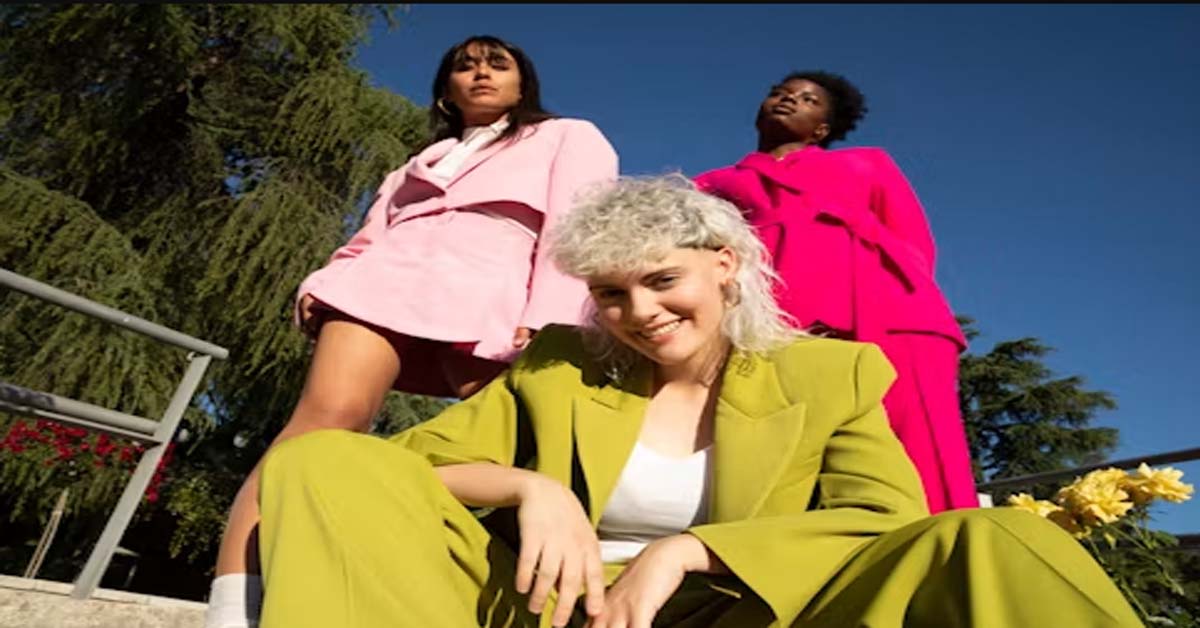
For example, a neutral outfit can be given more personality with a colorful handbag, scarf, shoes, or accessory. Alternatively, you can create a coordinated appearance by wearing different shades of a similar color.
If you enjoy experimenting, try combining complementary or contrasting colors. The important thing is to maintain balance.
A useful approach is to choose one main color, one supporting color, and a neutral shade. This gives the outfit structure without making it visually overwhelming.
Simple styling rule: When you are unsure about colors, keep the main outfit simple and use one noticeable color as an accent.
Mix Classic Fashion With Current Trends
Fashion trends can make your outfits feel modern and exciting, but not every trend will suit everyone.
Instead of changing your entire personal style whenever a new trend becomes popular, select trends that naturally fit your existing preferences.
For example, if you prefer simple outfits, you might introduce a trending bag, shoe style, color, or accessory rather than completely changing your clothing style.
This approach also makes fashion more practical. Trends can change quickly, while classic styles often remain useful for years.
The goal is not to reject trends. The goal is to use them intelligently.
Following fashion trends can be fun, but personal style becomes stronger when you choose trends because you genuinely like them rather than because everyone else is wearing them.
Use Accessories to Complete an Outfit
Accessories can transform a simple outfit into something much more interesting.
Depending on your personal style, accessories can include bags, belts, watches, scarves, sunglasses, hair accessories, and jewelry. These small details can add personality and create a more finished appearance.
For example, a simple casual outfit can be enhanced with a structured bag and a few subtle accessories. A plain dress can look completely different when styled with a belt, scarf, or statement jewelry.
However, balance is important. Wearing too many noticeable accessories at the same time can make an outfit look crowded.
Try choosing one main accessory and allowing the rest of the outfit to support it.
Choose Footwear Carefully
Shoes can have a major effect on the overall appearance of an outfit. The right footwear can make casual clothing look more polished or make a formal outfit feel more relaxed.
Sneakers are popular because they can work with jeans, trousers, casual dresses, and many everyday outfits. Flats can provide a comfortable option for daily activities, while boots and dressier shoes can create a more structured appearance.
When selecting footwear, consider both style and practicality. Think about how much walking you will do, the weather, the occasion, and whether the shoes work with multiple outfits.
Comfort should never be ignored simply for the sake of fashion.
Learn How to Dress for Different Occasions
A fashionable outfit should also be appropriate for the situation.
For casual outings, comfortable combinations such as jeans with a shirt, a simple top with trousers, or a relaxed dress can work well. For professional environments, more structured clothing and polished accessories may be appropriate.
Special occasions offer more opportunities to experiment with colors, textures, patterns, and statement pieces.
The key is understanding the expected level of formality. An outfit that looks perfect for a weekend outing may not be suitable for a formal event.
Before choosing what to wear, ask yourself where you are going, who you will meet, and what type of environment you will be in.
Experiment With Layers
Layering is a useful styling technique because it allows you to create different looks from familiar clothing pieces.
A jacket can add structure to a simple outfit. A cardigan can create a softer appearance, while a shirt worn underneath another piece can add visual interest.
Layering can also be practical when the temperature changes during the day.
When layering, avoid making every piece equally heavy or visually strong. Combining different lengths, textures, and shapes can create a more balanced appearance.
For example, a simple base layer can be paired with a textured outer layer and a small accessory to create depth.
Pay Attention to Fabric and Texture
Fashion is not only about colors and patterns. Fabric and texture can also influence how an outfit looks.
Cotton, denim, linen, wool, leather, and knitted fabrics each create a different visual effect. Combining different textures can make a simple outfit feel more interesting.
For example, denim can provide a casual appearance, while a smooth or structured fabric may create a more polished look. Textured accessories can also add dimension without requiring bold colors.
When choosing clothing, consider how the fabric feels as well as how it looks. Comfortable materials can make it easier to enjoy wearing an outfit throughout the day.
Make Comfort Part of Your Style
Comfort and fashion do not have to be opposites.
An outfit can look attractive while still allowing you to move comfortably and feel relaxed. This is especially important for everyday fashion because uncomfortable clothing is unlikely to become a favorite choice.
Consider the fabric, fit, weather, and activities you will be doing during the day.
For example, someone spending several hours walking may prefer comfortable shoes and flexible clothing, while someone attending a formal event may prioritize structure and presentation.
The best personal style is one that works in real life.
Try Different Fashion Styles
Do not be afraid to experiment.
Your personal style can change as your interests, lifestyle, and confidence develop. You might enjoy casual fashion one year and become interested in more elegant or minimalist styles later.
Try combining different pieces, colors, accessories, and textures. You may discover combinations that you would never have considered before.
You can also take inspiration from street fashion, fashion publications, designers, cultural clothing, and social media. However, inspiration should be a starting point rather than a reason to copy another person's entire appearance.
Experimentation allows you to discover what genuinely suits your personality.
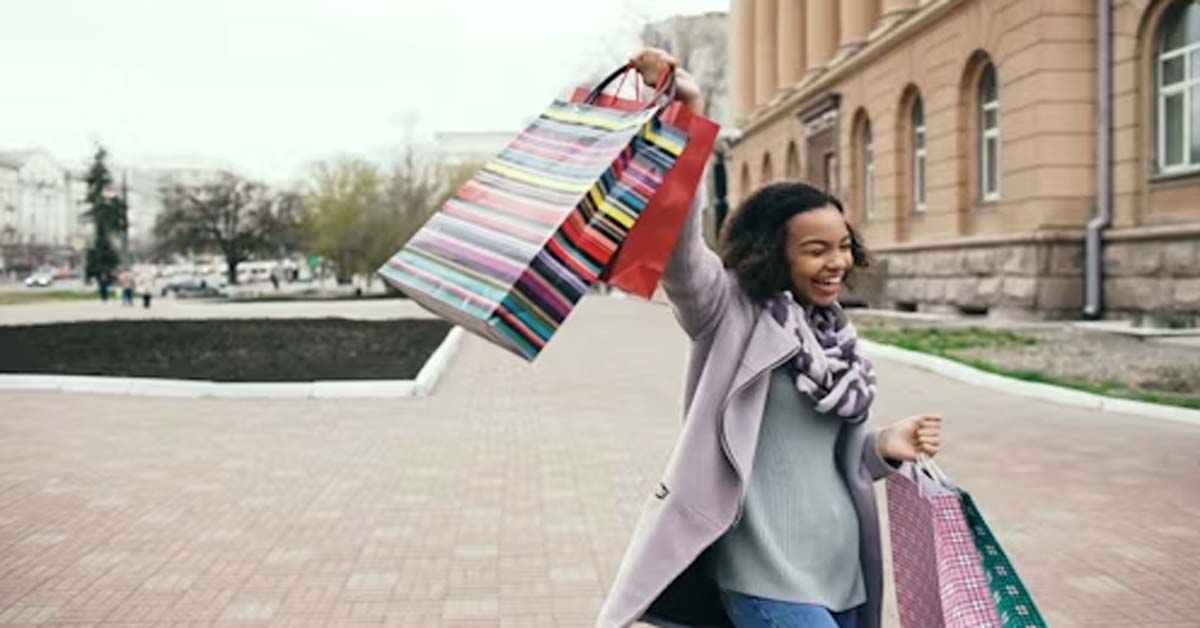
Shop With a Clear Purpose
Smart fashion shopping starts before you enter a store or open an online shopping website.
Think about what you actually need and how a new item could be styled with clothing you already own. Avoid purchasing something simply because it looks attractive in a photograph or is currently popular.
Before buying, consider its versatility, quality, comfort, and practicality.
You can also compare prices and look for seasonal discounts. Shopping thoughtfully can help you spend less while still finding pieces that you genuinely enjoy wearing.
Fashion does not have to be expensive to look polished.
Take Care of Your Clothes
Good style also involves taking care of the clothes you already have.
Follow washing instructions, store clothing properly, and deal with small repairs before they become bigger problems. Clean shoes and accessories regularly and avoid storing delicate items in ways that could damage them.
Taking care of clothing can help maintain its appearance and extend its useful life.
It can also encourage more thoughtful fashion habits because you begin to appreciate the pieces you already have instead of constantly looking for replacements.
Follow Trends Without Losing Your Identity
Social media has made fashion trends spread faster than ever. A style can become popular globally within a short period.
While this provides endless inspiration, it can also create pressure to constantly change your appearance.
Remember that fashion trends are optional. You do not have to wear every popular color, silhouette, accessory, or aesthetic.
Choose trends that make sense for you. If a trend does not feel comfortable or does not match your personal preferences, there is nothing wrong with skipping it.
True personal style comes from making intentional choices.
Simple Fashion Tips for Better Everyday Outfits
Small changes can make a noticeable difference in everyday styling.
Plan your outfit: Choosing clothing in advance can make busy mornings easier.
Keep colors balanced: Avoid using too many competing colors in one outfit.
Add one statement piece: A bold accessory, jacket, or pair of shoes can become the focus of a simple outfit.
Use layers: Layering can add depth and make outfits more flexible.
Check the occasion: Always consider where you are going before deciding what to wear.
Prioritize comfort: Fashion should work with your daily life.
Repeat successful combinations: If an outfit works well, there is nothing wrong with wearing a similar combination again.
Experiment gradually: Introduce one new style element at a time if you are unsure about a trend.
Build Confidence Through Personal Style
Fashion can influence how people feel about themselves, but confidence should not depend entirely on appearance.
Clothing can help you express creativity and personality, but there is no requirement to look a certain way to be valuable or confident.
Choose clothing that makes you feel comfortable and allows you to participate fully in your daily activities.
Your style should be something you enjoy rather than something that creates unnecessary pressure.
Final Thoughts
Modern fashion is not simply about following the newest trends. It is about understanding personal style, creating balanced outfits, choosing colors thoughtfully, using accessories effectively, and dressing appropriately for different occasions.
You do not need expensive clothing or an endless collection of new trends to look stylish. Small details such as footwear, accessories, layering, color coordination, and fabric choices can completely change an outfit.
Most importantly, fashion should reflect your personality and lifestyle. Experiment with different styles, take inspiration from current trends, and keep the elements that genuinely work for you.
Great personal style is not about copying everyone else—it is about making fashion your own.